The Basic Principles Of Lab Grown Diamonds
Table of ContentsIndicators on Lab Grown Diamonds You Should KnowLab Grown Diamonds Fundamentals ExplainedIndicators on Lab Grown Diamonds You Need To KnowNot known Factual Statements About Lab Grown Diamonds
As you take a trip closer to the Earth's core, stress and temperature rise, which develops the best oven for carbon to be exchanged ruby (diamonds are the only gems to be made from purely one element). With an enormous volcanic eruption, these diamonds were delivered to the Planet's surface. It's estimated this procedure was rather fast (most likely over the training course of a number of hours), which enabled the diamonds to remain intact without melting.The short response: carat weights determine the mass of stones, karats measure the purity of gold. Carat: 1 carat is equal to 0.2 grams, about the weight of a paperclip (next time you see a picture of Mariah Carey's 35 carat involvement ring, just envision the burden of lugging 35 paper clips around your finger everyday).
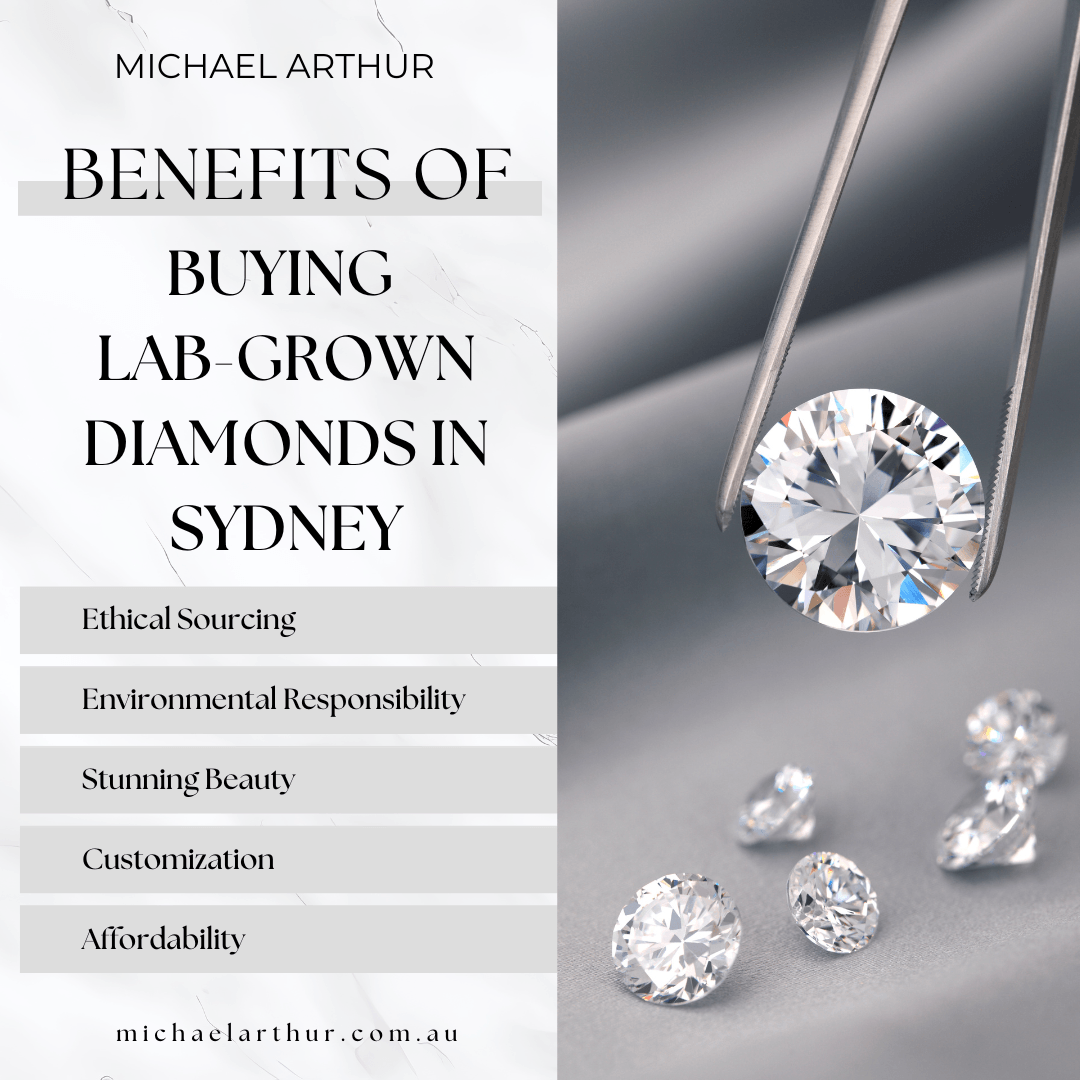
Right here are some of the essential advantages of laboratory expanded rubies and laboratory grown up ruby jewelry:.
Getting My Lab Grown Diamonds To Work
In other words, natural or earth-mined rubies are crafted over countless years underneath the Earth's crust from pure carbon incorporated with pressure and warmth. Producing rubies in a laboratory calls for the same procedure, simply fine-tuned to take place over a much smaller period in a much a lot more controlled setting.
Whereas earth-mined diamonds are rare and finite and tend to increase in cost over time, lab rubies are readily available. As demand increases, labs can continue to produce lab diamonds meaning they are not minimal or scarce compared to all-natural rubies. If you want fine fashion jewelry from a financial investment viewpoint, like lab-grown diamond rings, they will not be a great suitable for your requirements.
They could think that the disadvantages of lab-grown diamonds outweigh the pros. Some could argue that, for this reason, purchasing a lab-made diamond likewise comes with its honest considerations, as doing so takes earnings away from those entailed in the natural diamond industry that may need it most.
Typical rubies rely upon the Earth's problems to identify their high quality or lack thereof. But in a lab, manufacturers can directly control a diamond's high quality. Yes, there are ethical and ecological factors to consider with both mined and synthetic diamonds. Suppose your budget just enables you to look for particular colors or cuts of all-natural rubies.
The Main Principles Of Lab Grown Diamonds
You can easily locate colored, man-made rubies on the (reasonably) low-cost side as well as certain cuts that would certainly be pricier if you were going shopping for an extracted diamond just. That barely means it isn't worth safeguarding.
natural rubies is that the latter is extracted from all-natural deposits in the Earth while the former is made in a lab using regulated setups. Their quality is mostly the very same. While the distinction between lab-grown and all-natural diamond alternatives are very little when it involves top quality, several of the drawbacks of lab-grown diamonds consist of the fact that the rock will drop gradually and, to some, a lack of nostalgic value that's often connected with mined rubies
This cost difference can be associated to the streamlined production procedure and the avoidance of expenses connected with typical mining. The Controlled Environment in Which Lab Grown Diamonds Are Produced Permits for Regular Quality.
Adaptability in Style - Lab Grown Diamonds Offer Designers and Consumers a Versatile Scheme to Develop her comment is here Special and Ingenious Precious Jewelry Styles. the Controlled Growth Process Enables for The Manufacturing of Diamonds in Various Sizes And Shapes. Laboratory Diamond Bands are the A Lot Of Famous Amongst Laboratory Diamond Jewelry. Laboratory Diamonds Usually Include A More Clear Supply Chain.
Lab Grown Diamonds Fundamentals Explained
Market Understanding - Despite Their Similar Physical Characteristics, Laboratory Diamonds Might find more info Face Tests in Market Assumption. Some Consumers Still Perceive Natural Diamonds as Having Greater Value and Eminence. The Manufacturing of Lab-Grown Diamonds Can Be Energy-Intensive, Specifically in Methods Like High Pressure Heat (hpht) and Chemical Vapor Deposition (cvd).
Natural Diamonds Are Developed Over Numerous Years Deep Within the Planet, Adding To Their Perceived Rarity. Lab-Grown Diamonds, see this In Spite Of Their Identical Characteristic, Might Not Lug the Same Rarity Aspect, Affecting Their Perceived Worth for Some Consumers. Influence On Diamond-Dependent Economies - the Change Towards Laboratory Grown Diamonds May Have Economic Ramifications for Nations and Neighborhoods that Depend Upon The Ruby Mining Market.
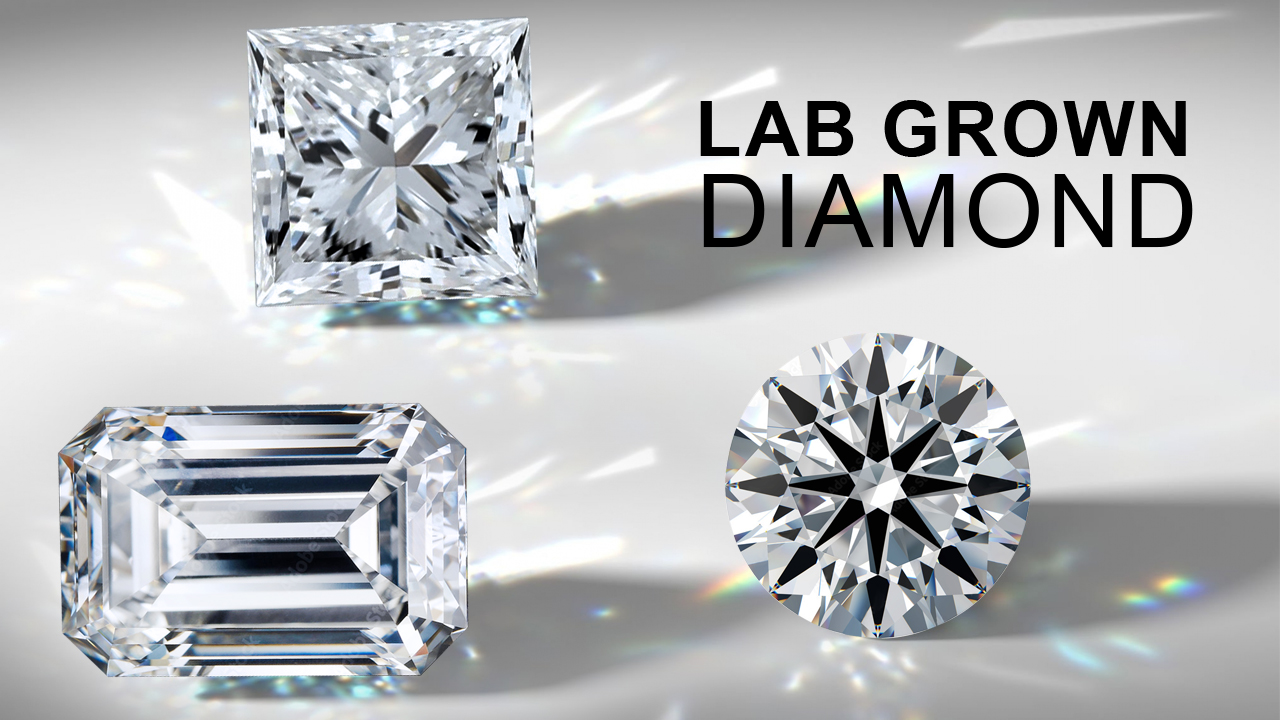
Ans. Lab Rubies Are of Equal High Quality to Natural Diamonds in Terms of Hardness, Brilliance, and Clarity. the High quality of A Ruby, Whether Lab-Grown or Mined, Is Identified by Its Cut, Color, Clarity, and Carat Weight Weight. Ans. Yes, Laboratory Diamonds Shimmer Similar To Natural Diamonds. Their Luster and Sparkle Are a Result of Their Cut and The Way Light Connects with Their Facets. Ans.